What does ecommerce development include?
Ecommerce development covers the storefront customers see (catalog, search, product pages, cart and checkout) and the systems behind it: payments, customer accounts, order management, inventory, shipping rules, transactional emails and the back office your team uses every day.
A custom store is built when the business rules do not fit a template: B2B pricing by customer, wholesale quotes, credit terms, subscriptions, bundles, bilingual catalogs or integrations with an existing ERP or accounting system.
Custom ecommerce vs Shopify: which one do you need?
A hosted platform like Shopify works well for a standard retail catalog with a standard checkout. If it covers your needs, it is usually the cheaper option. It gets harder when you need customer-specific prices, quotes, credit terms, recurring boxes with custom rules or a back office that matches how your team works.
Custom ecommerce development makes sense when those rules are the core of the business. You own the code and the data, the checkout follows your rules, and there are no theme limits or per-plugin fees.
How much does it cost to build an online store?
The cost of an online store depends on the catalog, payment methods, B2B rules, integrations, shipping logic and how much product and customer data has to be migrated.
DevLunch does not bill by the hour. Ecommerce development is priced per fixed 6-week cycle using Shape Up. Before each cycle, the problem, the appetite and a solution outline are defined with you, then price and deadline are fixed. Each cycle ends with working software in production.
What is B2B ecommerce and how is it built?
B2B ecommerce is selling online to other businesses. Compared to a retail store, it needs customer accounts, wholesale quotes, credit terms, repeat orders and a back office for the sales team.
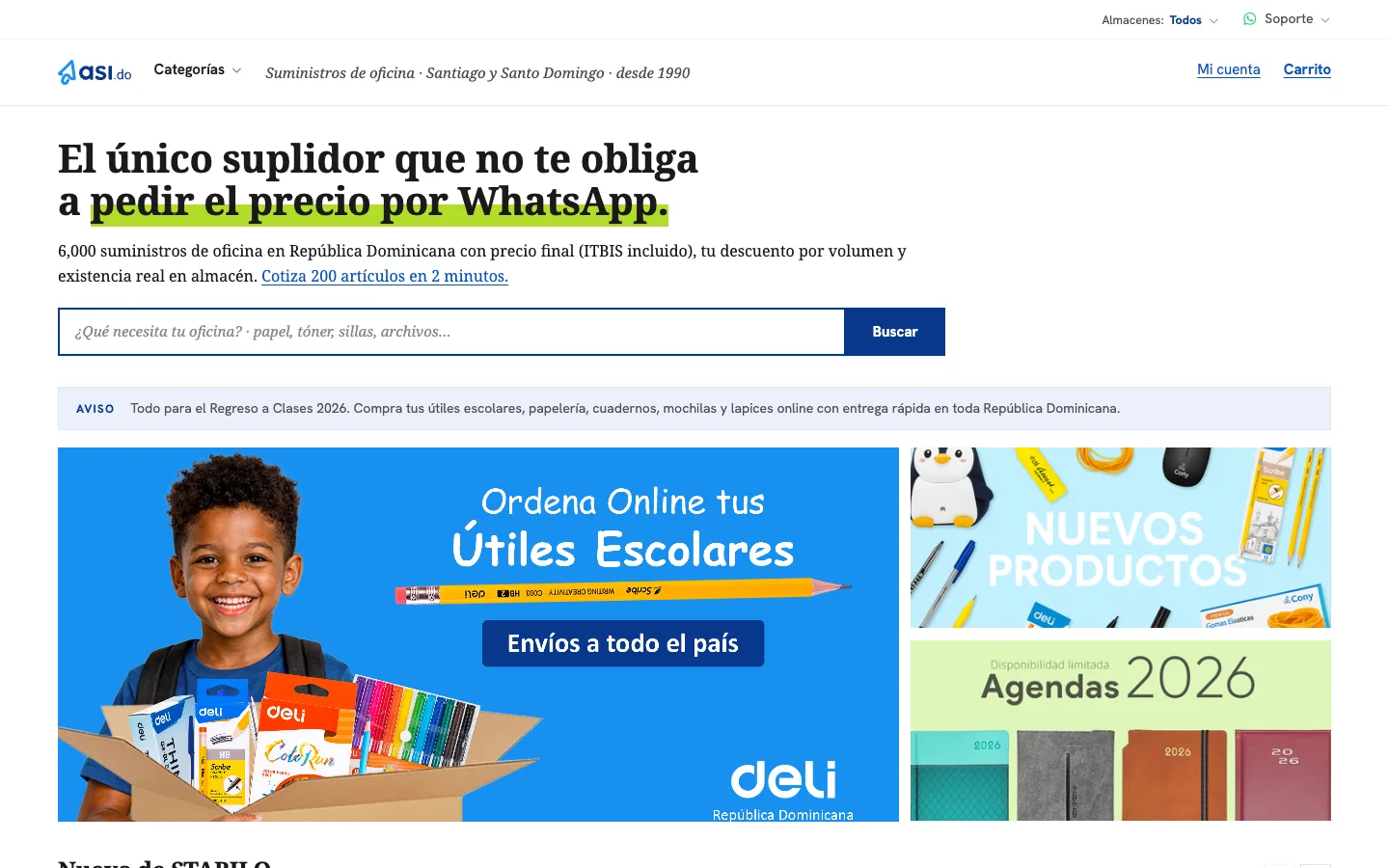
asi.do is a B2B ecommerce platform and wholesale quote system for an office supplies distributor in the Dominican Republic, in production since 2021 with Rails, Hotwire and PostgreSQL. It includes wholesale quotes, credit terms, a back office and integrations.
How does a subscription ecommerce store work?
Subscription ecommerce charges customers on a schedule for recurring deliveries, such as a monthly box. The store needs recurring billing, plan changes, a delivery calendar and emails tied to each billing cycle.
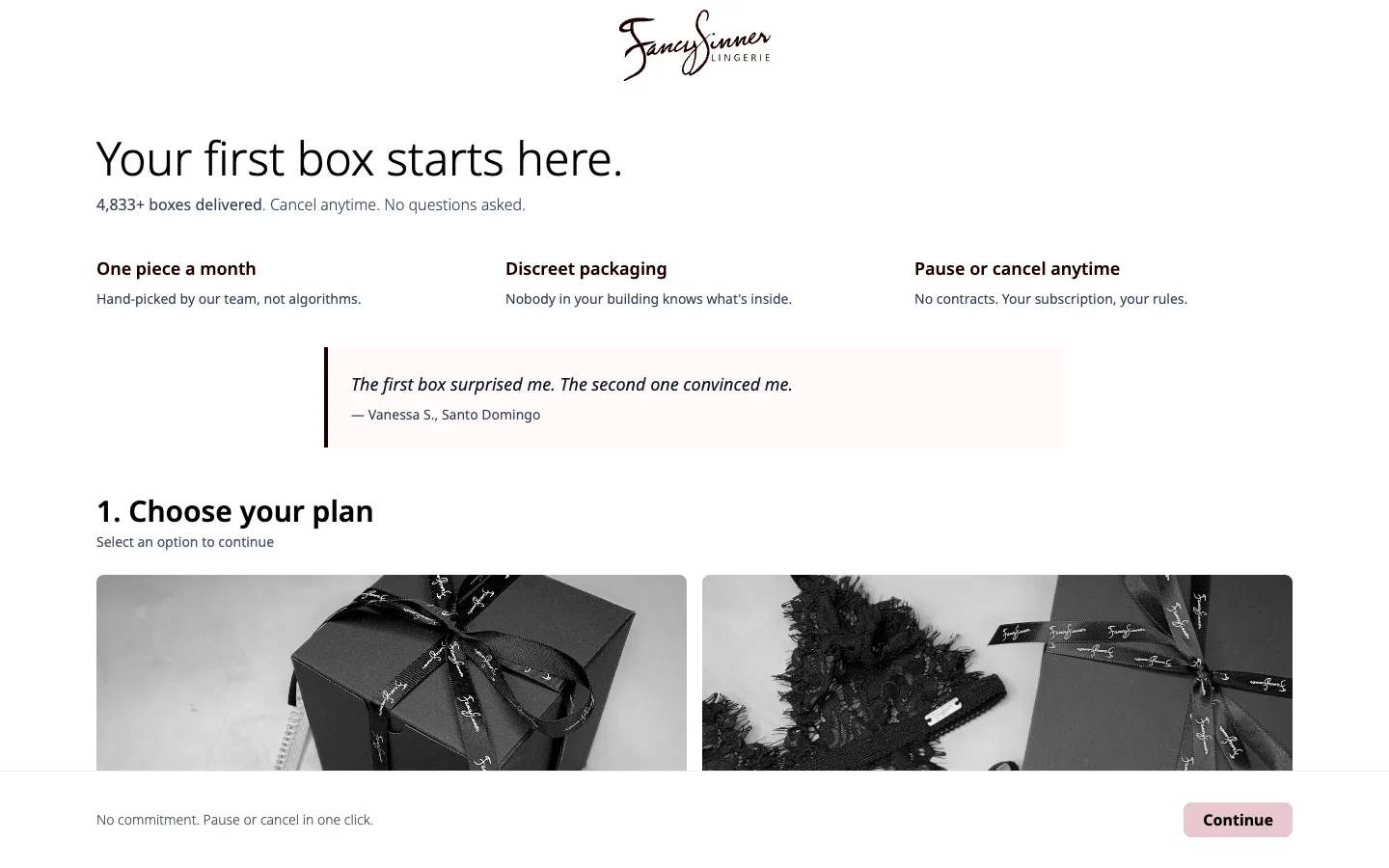
Fancy Sinner is an ecommerce and monthly subscription box platform for a luxury lingerie brand, shipping from the Dominican Republic to the US. It launched in January 2026, built with Rails, Hotwire, PostgreSQL and Stripe, with subscription billing and marketing automation.
Which payment gateways work for online stores in the Dominican Republic?
Online stores in the Dominican Republic usually take card payments through local payment gateways such as Azul or CardNet. Stores that sell to customers in the US or charge subscriptions in dollars often use Stripe.
Dominican businesses are moving to electronic invoicing (e-CF) under DGII rules, so a store often needs to issue an e-CF for each sale. Payment gateway and e-CF integrations are covered in detail on the API development and integrations page.