What is web application development?
A web application is software that runs in the browser and does work for its users: logging in, entering data, approving orders, generating reports, taking payments. A website mostly shows information. A web app stores data, applies business rules and has different screens for different user roles.
Common web applications include client portals, admin dashboards, back offices, B2B ordering portals, marketplaces, booking and request systems, CRMs and internal tools that replace spreadsheets. Most of them also expose an API for a mobile app or for other systems.
How much does it cost to build a web application in the Dominican Republic?
In the Dominican Republic, the cost of a web application depends on scope: number of user roles, screens, integrations, reports and how much existing data has to be migrated. A small internal tool and a multi-role B2B portal are very different projects.
DevLunch does not bill by the hour. Work is priced per fixed 6-week cycle using Shape Up. Before a cycle starts, the problem, the appetite (how much the work is worth to you) and a solution outline are defined together. The price and deadline of the cycle are set before development starts.
The first cycle is shaped to deliver the smallest version that is useful in production. Later cycles add features. Each cycle is followed by a 2-week cooldown for fixes and planning.
Which technology is best for web application development?
For most business web apps, DevLunch uses Ruby on Rails with Hotwire (Turbo and Stimulus) and PostgreSQL. Rails covers authentication, roles, forms, background jobs, emails and admin screens with less code, which keeps build and maintenance costs down.
React, Next.js and TypeScript are used when the interface needs heavy client-side interaction, when public pages need server rendering for SEO, or when code is shared with a React Native mobile app. Background jobs run on Sidekiq or Solid Queue with Redis, files are stored on Amazon S3, and apps are deployed with Docker or on Vercel.
Payment gateways, electronic invoicing and third-party systems are connected through APIs. Those integrations are covered on the API development and integrations page.
What is the difference between a website and a web application?
You need a website when the goal is to present the company, publish content and get leads. You need a web application when users log in and work inside it: customers placing orders, staff approving requests, managers reading reports.
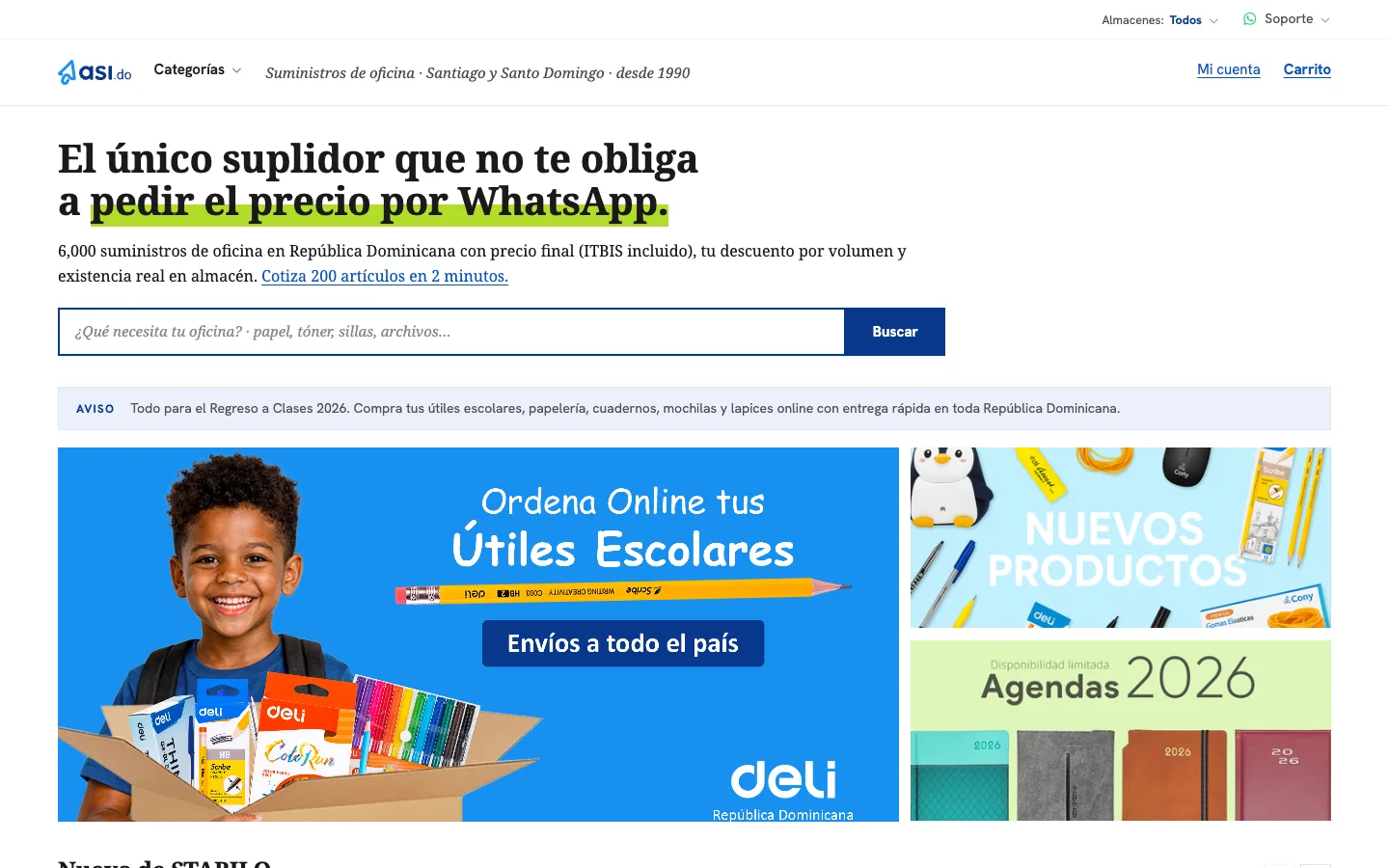
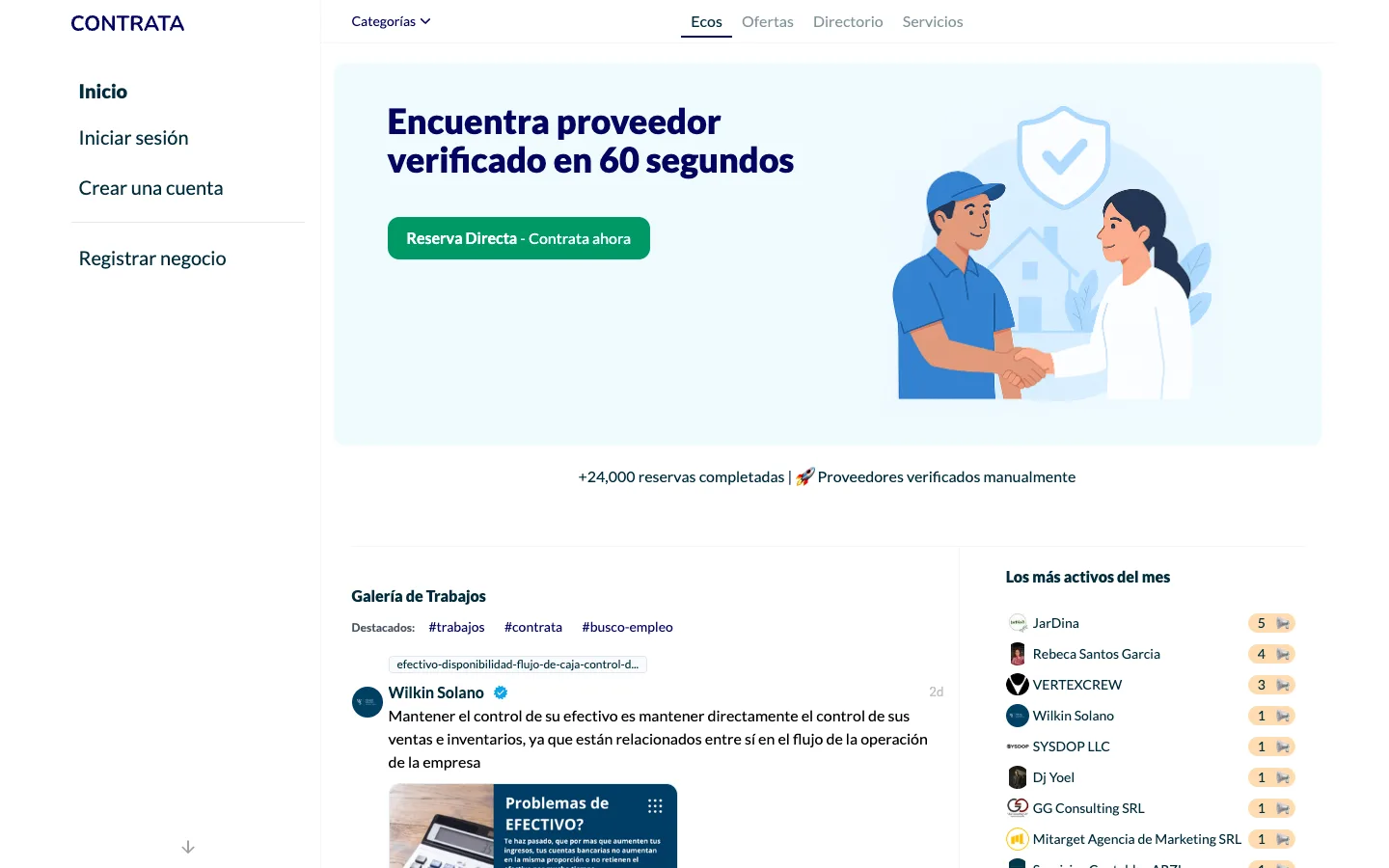
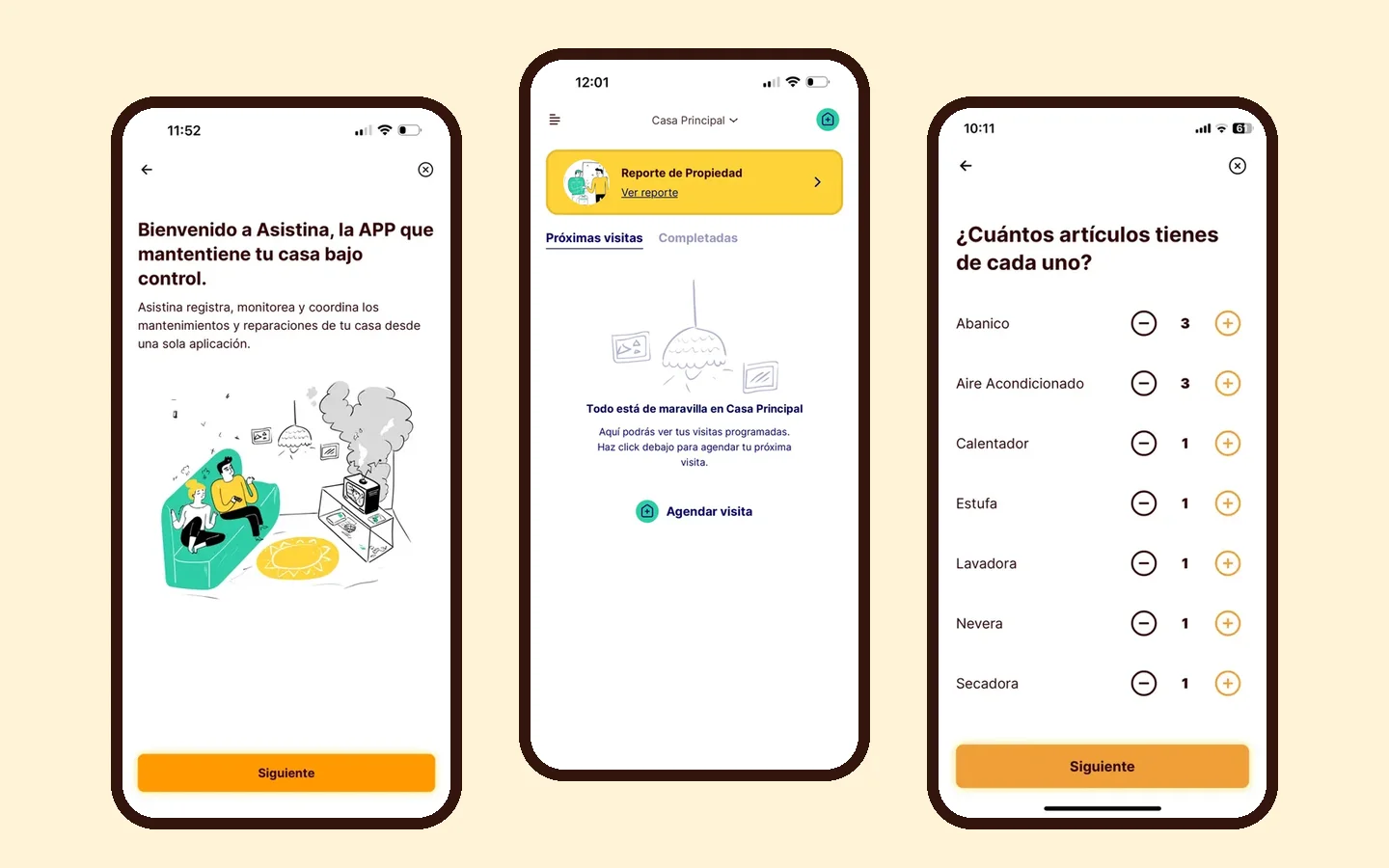
asi.do is a B2B ecommerce platform and wholesale quote system for an office supplies distributor in the Dominican Republic, with wholesale quotes, credit terms and a back office. Contrata.com is a home services marketplace with a provider directory, paid directory placement and payments. Asistina runs on a Rails platform with a staff panel for scheduled maintenance, repair requests, quotes and chat.
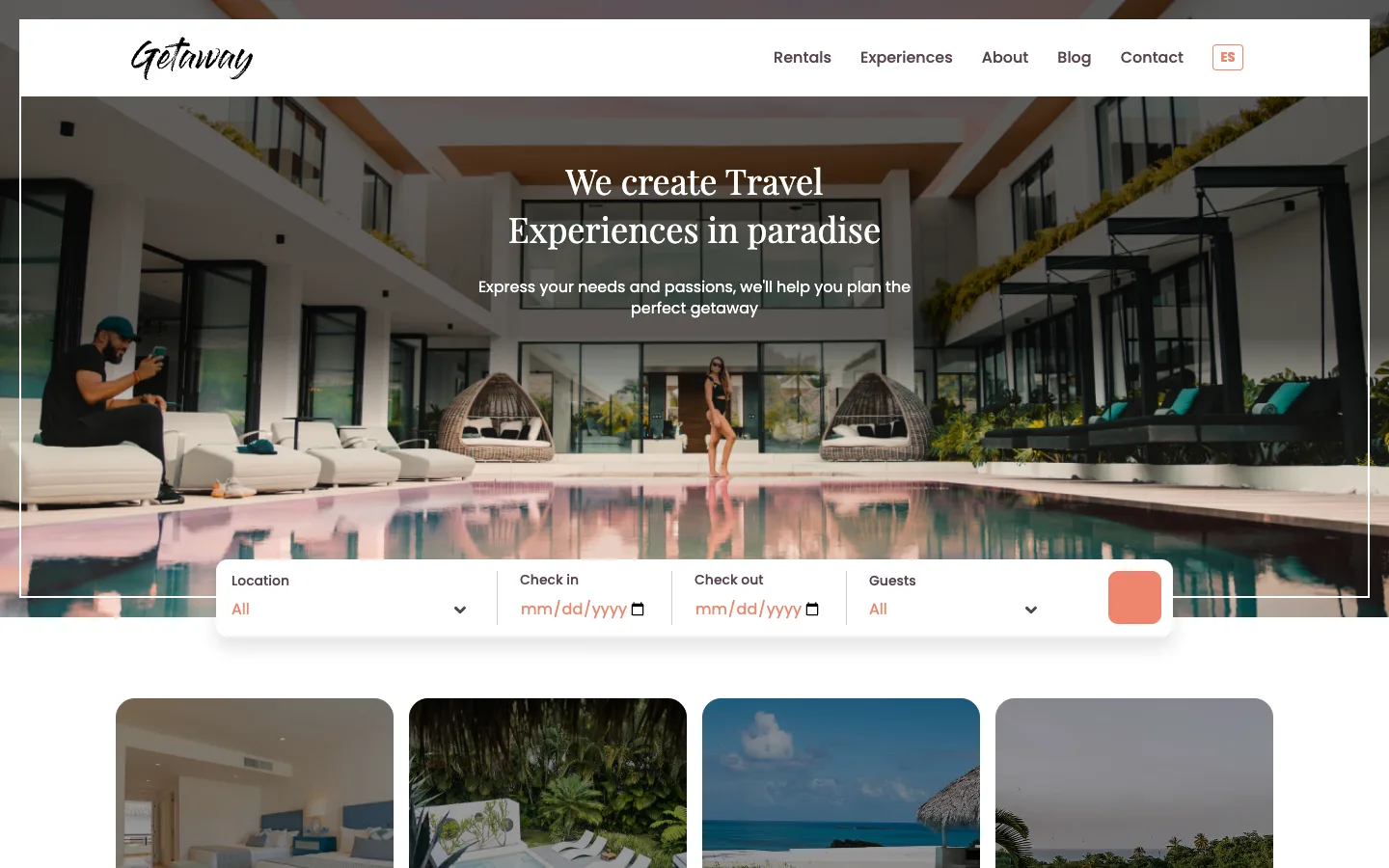
Many projects combine both. Getaway Dominican Republic was a bilingual travel website with a villa rentals and experiences catalog, search, trip requests and a blog, all managed from a CMS.
How is a web application built with Shape Up?
Shaping: before any code is written, the problem, the appetite and a rough solution are defined with you. This is where scope is cut to fit a 6-week cycle.
Building: the same senior developers design the data model, build the screens and ship to production during the cycle. At the end of the cycle you have working software in production, followed by a 2-week cooldown for fixes and the next round of shaping.
Ownership and support: the repository, hosting and accounts belong to you from day one. After launch, work continues cycle by cycle, or through maintenance and support.