React and Next.js development and senior React developers in the Dominican Republic

React frontends, full-stack Next.js apps, migrations to Next.js and dedicated React developers. TypeScript by default, for US companies, agencies and Dominican businesses.

SUMMARY

React and Next.js development is building web interfaces and web applications with React, the JavaScript library for user interfaces, and Next.js, the React framework for routing, server rendering and SEO. DevLunch is a software development company in Santo Domingo, Dominican Republic, building software since 2014. The team builds React and Next.js frontends and full-stack apps in TypeScript, connects them to Ruby on Rails APIs and third-party services, migrates older React apps to Next.js and provides dedicated React developers. Work is priced per fixed 6-week cycle, with price and deadline set before development starts and no hourly billing.

  • React, Next.js, TypeScript
  • Since 2014
  • Vercel or Docker
  • Fixed price per 6-week cycle

Why hire DevLunch for React and Next.js development

TypeScript by default

New React and Next.js code is written in TypeScript, with typed API responses and shared types between frontend and backend.

Next.js for search traffic

Server rendering, static generation, metadata, sitemaps and structured data. Public pages and the logged-in app can live in one codebase.

Frontend and backend from one team

The same team builds the React frontend and the Ruby on Rails API or Next.js backend, plus the PostgreSQL database behind them.

Migrations route by route

Create React App to Next.js, Pages Router to App Router, JavaScript to TypeScript. The app stays in production during the migration.

React and Next.js services

  • Customer dashboards and portals behind a login
  • Next.js marketing sites and landing pages built for SEO
  • React frontends for Ruby on Rails APIs
  • Internal tools and admin panels
  • Create React App and Vite to Next.js migrations
  • Next.js Pages Router to App Router migrations
  • Rescue of existing React and Next.js codebases
  • Dedicated React developers for your team

React and Next.js stack

  • React
  • Next.js
  • TypeScript
  • Tailwind CSS
  • React Native
  • Ruby on Rails
  • PostgreSQL
  • Vercel
  • Docker

PROCESS

Software Development Process

STEP 01

Discovery and scoping: problem, budget and solution outline. You get a fixed price before development starts.

STEP 02

Development in a fixed 6-week cycle that ends with working software in production.

STEP 03

Launch, software maintenance, support and the next development cycle.

How much does it cost to hire React developers?

Cost depends on the engagement: a new React or Next.js app, a migration, a rescue of an existing codebase or dedicated React developers working inside your team. DevLunch does not bill by the hour. Each engagement is priced per fixed 6-week cycle, with price and deadline set before development starts.

Before a cycle starts, the work is shaped with you: the problem, the appetite (how much it is worth) and a solution outline. At the end of the cycle, working software is in production. You decide after each cycle whether to continue.

React or Next.js: which one does my project need?

React is the user interface library. Next.js is a framework built on React that adds file-based routing, server rendering, static generation, image optimization and API route handlers. A dashboard behind a login can be a plain React app. A site or app that needs search engine traffic, fast first page loads, or both public pages and an app, is a better fit for Next.js.

Next.js apps deploy to Vercel or to your own servers with Docker. The hosting setup is chosen during shaping, based on traffic, budget and where the rest of your systems run.

Full-stack Next.js or Next.js with a Ruby on Rails backend?

Next.js can run the whole application: pages, server actions, route handlers and a PostgreSQL database. That works well for marketing sites, content sites, landing pages and smaller apps.

For apps with complex business rules, background jobs, admin panels and many integrations, DevLunch pairs a React or Next.js frontend with a Ruby on Rails API, PostgreSQL and Sidekiq or Solid Queue for background work. The same team builds both sides, so API changes and screen changes ship together.

How do you migrate a React app to Next.js or upgrade an old React codebase?

Common migrations: Create React App or Vite single-page apps to Next.js, the Next.js Pages Router to the App Router, class components to hooks, JavaScript to TypeScript, and older React and Next.js versions to current releases. Work goes route by route, so the app stays in production during the migration.

Rescue projects start with a code review: dependencies, build setup, bundle size, state management, test coverage and deployment. The findings become a list ranked by risk, and the first cycle is shaped around the most urgent problems.

React developers in the Dominican Republic

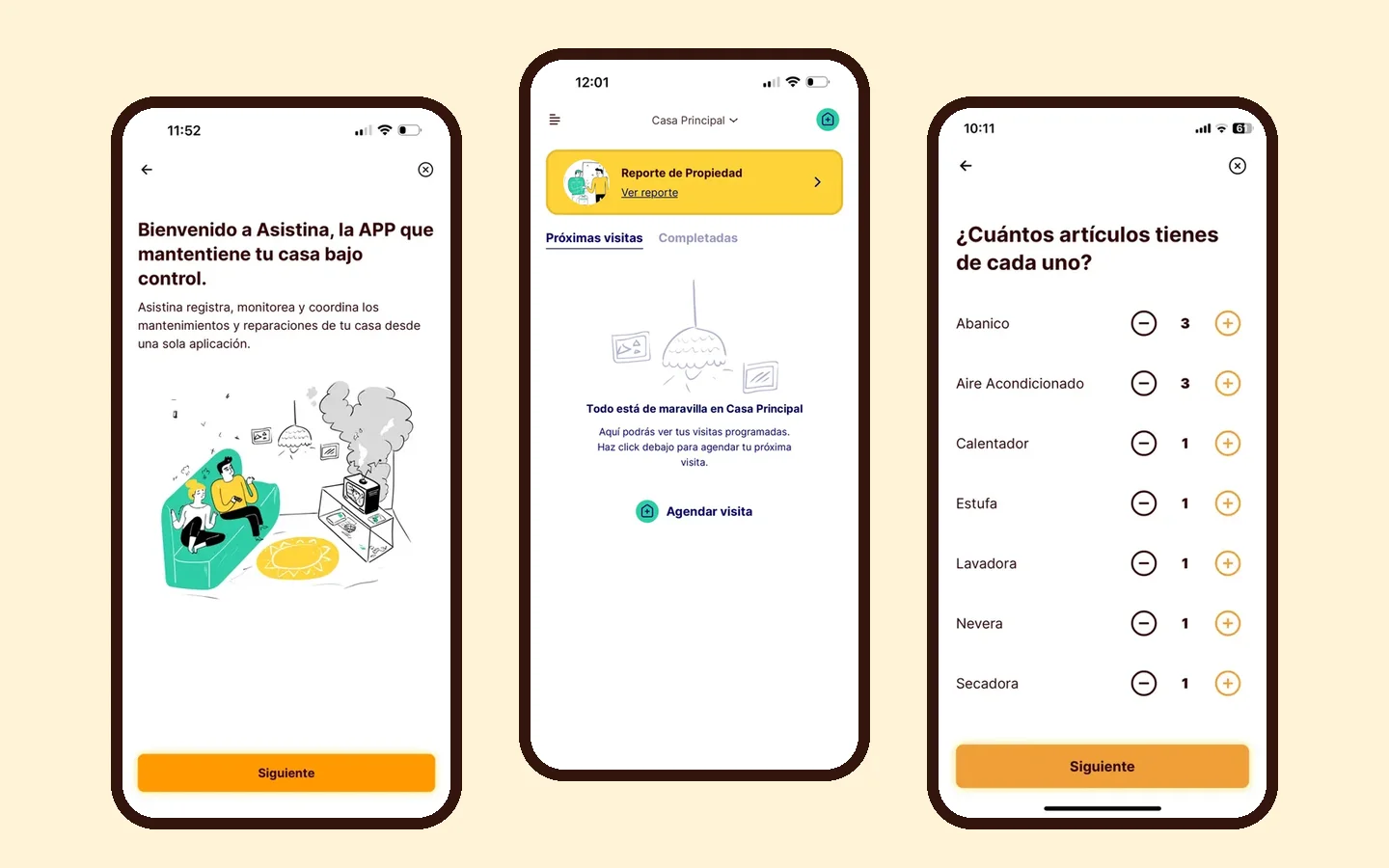
DevLunch works from Santo Domingo on Eastern Time, in English and Spanish, for companies in the Dominican Republic and the United States, plus US agencies. React is also the base of the mobile apps the team builds: the Contrata app (iOS and Android, on the stores since 2021) and Asistina (iPhone app, launched November 2023) are built with React Native, Expo and TypeScript.

Engagement options: fixed-price builds by cycle, dedicated React developers (staff augmentation) working in your repository and process, and maintenance and support for React and Next.js apps in production. The client owns the repository and code from day one.

FAQ

Frequently asked questions

DevLunch, based in Santo Domingo, does not bill by the hour. New builds, migrations, rescues and dedicated React developers are priced per fixed 6-week cycle, with price and deadline set before development starts.

CLIENTS

asi.do logoFastlane logorecibos.do logopaquetes.do logoBrandesign logoHighgrace logo

Hire React and Next.js developers in the Dominican Republic

Free initial consultation. We reply within one business day.

Request a quote